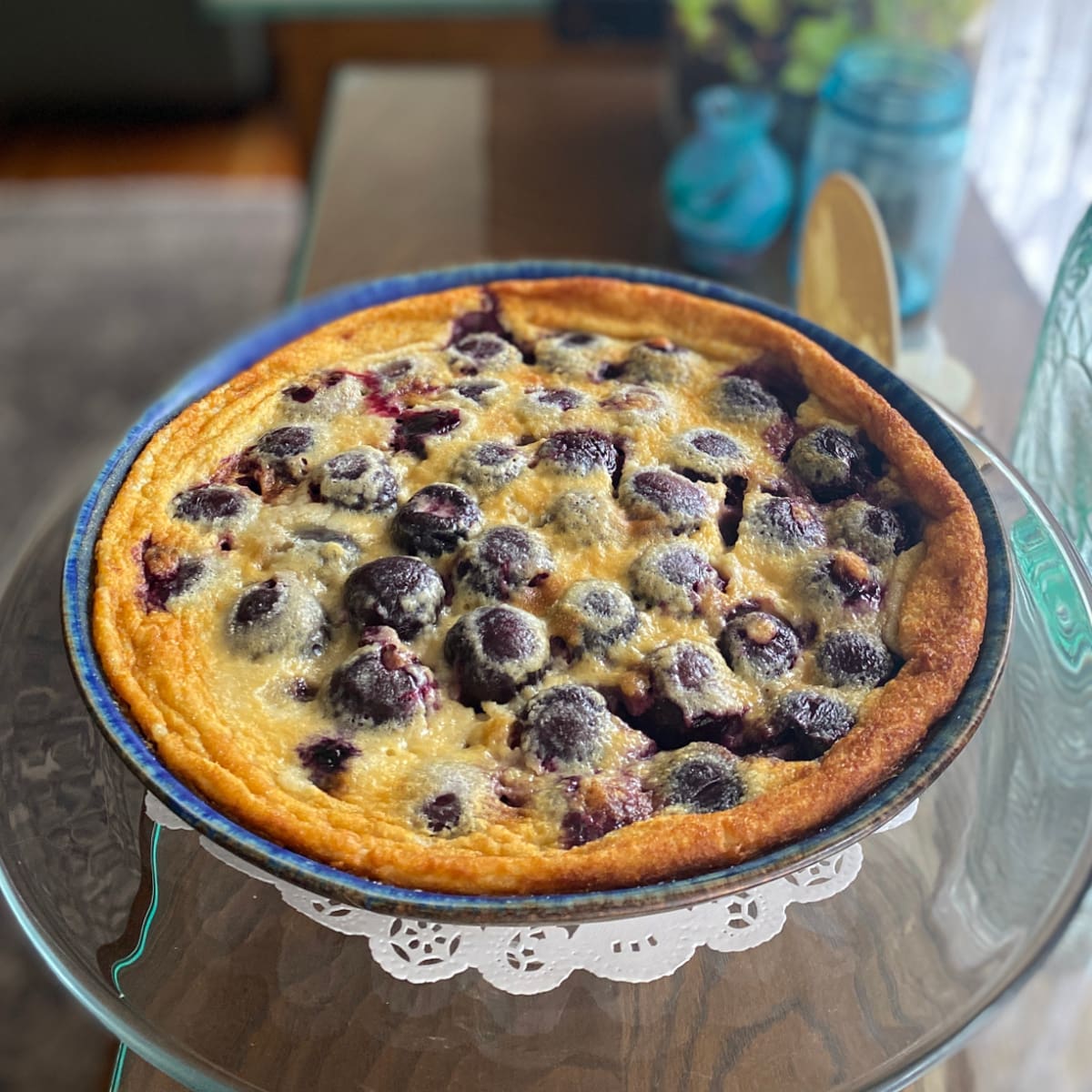
Rustic Charm Meets Culinary Sophistication: The Enduring Allure of Cherry Clafoutis
There's a certain magic in desserts that manage to be both effortlessly simple and utterly exquisite. Such is the case with cherry clafoutis, a classic French delicacy that captures the essence of summer in every delightful bite. Pronounced "klah-foo-TEE," this rustic yet elegant treat hails from the Limousin region of France, south of Paris, where it originated as a humble farmhouse dessert. Today, it graces tables worldwide, beloved for its comforting custard-like texture, vibrant fruit, and inviting golden crust. It’s a perfect illustration of how basic ingredients can transform into something truly extraordinary with minimal fuss.
Imagine fresh, plump cherries nestled within a silky, rich batter, baked until puffed and golden brown. That's the promise of a well-made cherry clafoutis. Whether you're a seasoned baker or a curious beginner, mastering this French classic is surprisingly accessible, making it an ideal choice for a sophisticated brunch, a cozy breakfast, or a memorable after-dinner indulgence. As cherry season hits its peak, there's no better way to celebrate than to Enjoy Cherry Season: Bake a Perfect French Clafoutis, a dessert that truly embodies the spirit of summer.
Understanding the Essence: What Makes a Cherry Clafoutis So Special?
At its core, a cherry clafoutis is a baked French dessert featuring fresh fruit (traditionally cherries) suspended in a simple, rich batter. This batter, often described as a custard, is typically composed of eggs, milk, sugar, and a touch of flour. When baked in a shallow dish at a relatively high temperature, the custard transforms, puffing up dramatically around the juicy fruit, much like a soufflé or a German pancake. The result is a dessert that is both light and satisfying, with a tender interior and a beautifully caramelized top.
While its origins are undeniably humble, the clafoutis has evolved into a beloved classic. Its "rustic yet elegant" reputation stems from this duality: the straightforwardness of its ingredients and preparation, combined with the refined taste and beautiful presentation it offers. The sweet, slightly tart burst of baked cherries perfectly complements the creamy, vanilla-infused custard, creating a harmony of flavors and textures that is truly irresistible. If you're looking for a step-by-step guide to this classic, check out our article on Easy Cherry Clafoutis: Your Guide to a Classic French Dessert.
The Secret to Success: Crafting the Perfect Clafoutis Batter
The beauty of a perfect cherry clafoutis lies in its uncomplicated batter. You'll likely find most of the necessary ingredients already in your pantry and fridge:
- Flour: Provides structure and helps create that wonderful custard-like consistency.
- Sugar: Sweetens the batter, balancing the tartness of the cherries.
- Eggs: Act as the binder and contribute to the rich, custardy texture.
- Milk: Adds moisture and creaminess. Whole milk is often preferred for a richer result.
- Vanilla: Essential for depth of flavor. A vanilla bean scraped directly into the batter offers unparalleled aromatic complexity, though good quality vanilla extract is a perfectly acceptable substitute.
- Kirsch (Optional but Recommended): This clear brandy made from Morello cherries adds an authentic, subtle cherry essence that elevates the dessert. A tablespoon or two can make a significant difference, but it can be omitted or replaced with almond extract for a similar fragrant note if preferred.
The preparation couldn't be simpler: whisk these ingredients together until smooth. One crucial step often recommended by seasoned bakers is straining the custard. This simple action, typically done through a fine-mesh strainer or even a double layer of cheesecloth, ensures a silky-smooth batter, free of any flour lumps. While vigorous whisking can often achieve a similar result, straining provides an extra layer of assurance for that perfectly uniform texture.
The Star Ingredient: Preparing Your Cherries for Clafoutis
No cherry clafoutis would be complete without its namesake fruit. For this recipe, aim for about one and a half pounds of fresh, juicy cherries. While any variety will work, darker, sweeter cherries like Bing or Rainier tend to offer the best flavor contrast against the custard. The most time-consuming part of making clafoutis is often pitting the cherries, but don't let this deter you!
Effortless Cherry Pitting Techniques:
While a dedicated cherry pitter is a handy tool to have, it’s not strictly necessary. Here are a couple of clever methods to pit cherries without special equipment:
- The Chef's Knife Press: Lay a cherry flat on your cutting board. Using the flat side of a chef’s knife, press firmly down on the cherry until it flattens slightly. This action will often split the cherry, allowing you to gently pull the halves apart and easily remove the pit. Be prepared for a little juice to squirt out!
- The Wine Bottle and Chopstick Trick: For those who prefer their cherries to remain plump and intact, this method is a game-changer. Place a cherry on top of the opening of an empty wine bottle. Take a chopstick (or a similar sturdy, blunt tool like a piping tip or even a sturdy straw) and press it straight down through the stem end of the cherry. The pit will be forced out of the bottom and into the bottle, leaving you with a beautifully whole, pitted cherry. This technique works best with larger cherries; smaller ones might risk getting pushed into the bottle themselves.
Once pitted, your cherries are ready to be scattered evenly into your buttered baking dish, forming the delicious foundation for your clafoutis.
Baking and Serving Your Golden-Topped Masterpiece
With your cherries arranged and your silky batter ready, the final step is to combine them in your baking dish and let the oven work its magic. Pour the prepared custard directly over the cherries, ensuring they are well-covered. The baking process for cherry clafoutis typically takes around 45 minutes in a moderately hot oven (around 350-375°F or 175-190°C). You'll know it's ready when the clafoutis has puffed beautifully, turned a deep golden brown, and a skewer inserted into the center (avoiding a cherry) comes out clean.
The aroma that fills your kitchen while it bakes is a reward in itself! Once out of the oven, the clafoutis will gradually deflate as it cools, which is perfectly normal and part of its charm.
Serving Suggestions for the Ultimate Indulgence:
While exceptional on its own, especially when served warm, cherry clafoutis is incredibly versatile when it comes to accompaniments:
- Vanilla Ice Cream: A classic pairing, the cold, creamy ice cream melting into the warm clafoutis is pure bliss.
- Whipped Cream: A dollop of freshly whipped cream adds a touch of airy richness.
- Crème Fraîche: For a slightly tangy, sophisticated counterpoint, a spoonful of crème fraîche is perfect.
- Dusting of Powdered Sugar: Simple, elegant, and effective.
Enjoy it warm from the oven, at room temperature, or even chilled. Each temperature offers a slightly different experience, but all are equally delightful.
Beyond Cherries: Embracing Clafoutis Versatility
While traditionally made with cherries, the beauty of clafoutis lies in its adaptability. This simple custard base can beautifully complement a variety of fruits, allowing you to enjoy this delightful dessert long after cherry season has passed. Experiment with:
- Stone Fruits: Peeled and sliced peaches, nectarines, apricots, or plums make fantastic alternatives. Their natural sweetness and juicy texture bake wonderfully into the custard.
- Berries: Blackberries, blueberries, or raspberries can be used for a vibrant berry clafoutis. Their smaller size and burst of flavor are always a hit.
- Apples or Pears: Sliced and perhaps lightly sautéed with a touch of cinnamon, these can make for a delicious autumn-inspired clafoutis.
When swapping fruits, aim for roughly the same quantity (1.5 pounds for larger fruits, or about 3 cups for smaller berries) to maintain the perfect fruit-to-custard ratio.
Tips for Perfection and Smart Storage
To ensure your cherry clafoutis is always a triumph, consider these expert tips:
- Room Temperature Ingredients: Bringing eggs and milk to room temperature can help them incorporate more smoothly into the batter, leading to a more uniform custard.
- Don't Overmix: Whisk until just combined. Overmixing can develop the gluten in the flour too much, potentially leading to a tougher texture.
- Butter Your Dish Generously: This prevents sticking and contributes to that delicious golden crust around the edges.
- Watch for Doneness: The clafoutis should be visibly puffed and jiggly only slightly in the very center. If it's too jiggly, give it a few more minutes.
Storing Leftovers and Reheating:
Should you have any delectable leftovers (a rare occurrence!), cherry clafoutis can be refrigerated in an airtight container for up to three days. It's wonderful served cold or at room temperature. To reheat, simply place it in a 350-degree Fahrenheit (175°C) oven, loosely covered with foil, for 5-10 minutes until just warmed through. This gentle reheating helps revive its texture without drying it out.
Conclusion: Your Invitation to Master Cherry Clafoutis
From its humble French origins to its current status as a culinary darling, cherry clafoutis offers a delightful blend of rustic charm and effortless elegance. It’s a testament to the power of simple, fresh ingredients transformed by a touch of baking magic. Whether you’re enjoying the peak of cherry season or experimenting with other seasonal fruits, this versatile dessert promises a rewarding experience for both the baker and the diner. So, gather your ingredients, embrace the joy of simple baking, and prepare to delight in the timeless appeal of a perfectly made cherry clafoutis.
