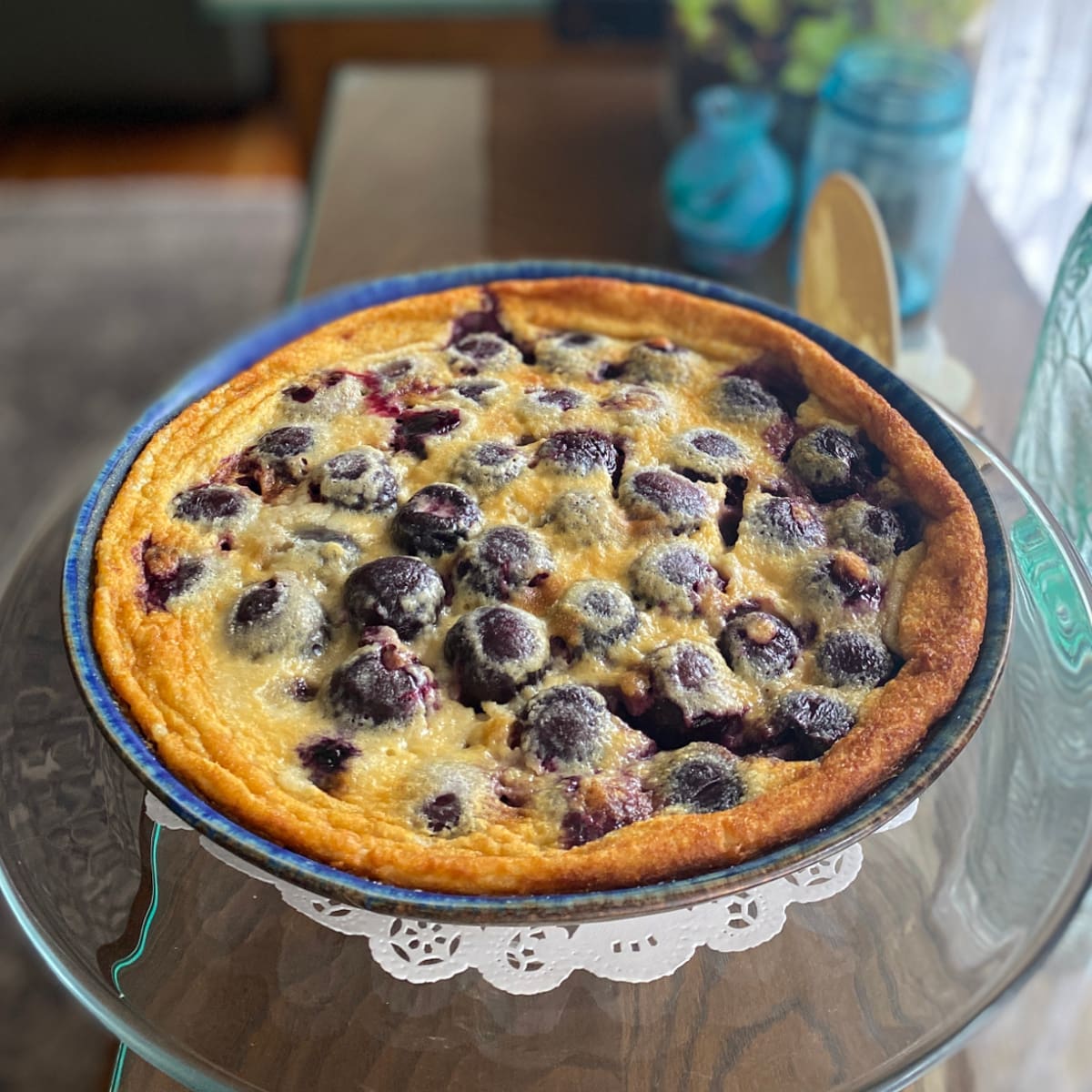
Enjoy Cherry Season: Bake a Perfect French Clafoutis
As the days grow longer and the sun warms the orchards, there’s a moment in time when cherries reach their peak – juicy, sweet, and bursting with flavor. This ephemeral season calls for a dessert that celebrates their beauty without overwhelming it, and no dish does this quite like a classic
cherry clafoutis. This rustic yet elegant French treat is a testament to simple ingredients yielding extraordinary results, making it the quintessential summer dessert.
Imagine a sun-drenched afternoon, the sweet aroma of ripe cherries filling your kitchen, soon to be enveloped by a delicate, golden custard. That's the magic of a homemade
cherry clafoutis. It's a dessert that feels inherently special, yet its preparation is remarkably straightforward, inviting even novice bakers to partake in its charm. If you've been looking for the perfect way to savor the bounty of cherry season, look no further than this delightful French classic.
What is Cherry Clafoutis? A French Classic Explained
Pronounced "klah-foo-TEE," clafoutis is a traditional French dessert originating from the Limousin region, located south of Paris. At its heart, it's a simple, comforting dish: fresh fruit (traditionally unpitted cherries, though pitting is now common practice) baked in a rich, custard-like batter. This batter, made from basic pantry staples like eggs, milk, sugar, and a touch of flour, puffs up dramatically in the oven, creating a golden, soufflé-like crust around the tender, baked fruit before settling into a dense, creamy consistency.
Often described as a delightful fusion between a custardy German pancake and a simple fruit tart, a
cherry clafoutis strikes a unique balance. It boasts the comforting warmth of a baked pudding, the tender fruitiness of a tart, and the elegant simplicity that defines much of French country cooking. It's a dessert that tells a story of humble origins, born from farmhouse kitchens where seasonal produce was celebrated with minimal fuss and maximum flavor. While cherries are the traditional and most beloved choice, the adaptability of clafoutis means it can also embrace other seasonal fruits like berries, peaches, plums, or apricots, making it a versatile staple throughout the warmer months. For a deeper dive into its delightful simplicity, check out our guide on
Easy Cherry Clafoutis: Your Guide to a Classic French Dessert.
Crafting Your Perfect Cherry Clafoutis: Key Ingredients and Techniques
The beauty of a truly magnificent
cherry clafoutis lies in its reliance on quality, simple ingredients. There are no exotic components or complicated methods here, just pure flavor.
The Core Ingredients:
*
Fresh Cherries: This is non-negotiable. Aim for 1½ pounds of fresh, ripe cherries. While the traditional method sometimes calls for leaving the pits in (believed to impart an almond-like flavor), most modern recipes, including ours, recommend pitting them for a more enjoyable eating experience. Sweet dark cherries (like Bing or Rainier) are excellent, but tart varieties can also be used, perhaps with a slight increase in sugar to balance the flavor.
*
Eggs: Provide structure and richness to the custard.
*
Milk: Whole milk is ideal for a creamy, decadent texture. You can experiment with half-and-half or even cream for an extra luxurious touch.
*
Sugar: Granulated sugar sweetens the custard and helps with browning.
*
All-Purpose Flour: Just a touch of flour acts as a binding agent, giving the custard its characteristic density without making it heavy.
*
Vanilla: A crucial flavor enhancer. A vanilla bean scraped into the milk will provide the most intense, aromatic vanilla notes, but a good quality vanilla extract works wonderfully too.
*
Kirsch (Optional but Recommended): This clear brandy made from morello cherries is a traditional addition that deepens the cherry flavor and adds a subtle warmth. If you prefer to omit alcohol, a teaspoon of almond extract can offer a complementary note, or simply increase the vanilla.
Mastering the Batter:
The key to a silky-smooth clafoutis custard is in the preparation.
1.
Whisking: Combine eggs and sugar first, whisking until pale and frothy. Then gradually whisk in the flour until smooth. Finally, slowly incorporate the milk and vanilla (and kirsch, if using).
2.
Straining (Highly Recommended): To achieve that perfectly smooth, lump-free texture, straining the custard through a fine-mesh sieve is a game-changer. This step catches any stray bits of egg or flour clumps, ensuring a uniform consistency. If a fine-mesh strainer isn't available, a double layer of cheesecloth or even just very vigorous whisking can suffice, but the strainer is truly best.
3.
Resting (Optional, but beneficial): Allowing the batter to rest for 15-30 minutes before baking can help hydrate the flour further, potentially leading to a more consistent texture and better puff.
The Art of Pitting Cherries: Tips for Success
Often cited as the "hardest part" of making
cherry clafoutis, pitting cherries doesn't have to be a chore. With 1½ pounds of cherries required, having an efficient method is key.
*
The Cherry Pitter: If you have one, now is its moment to shine. This specialized tool makes quick work of pitting, ejecting the pit cleanly with minimal mess.
*
The Chef's Knife Method: For a rustic approach, place a cherry on a cutting board. Using the flat side of a chef's knife, press firmly down on the cherry until it flattens slightly. The cherry will split, allowing you to easily pull it apart and remove the pit. Be prepared for a little juice squirt!
*
The Wine Bottle & Chopstick Trick: For a method that keeps the cherries plump and intact, place a cherry on top of an empty wine bottle. Use a chopstick or a sturdy skewer to press straight down through the stem end of the cherry. The pit should pop cleanly out the bottom into the bottle. This method works best with larger cherries; smaller ones might just get pushed into the bottle themselves.
Pro Tip: Pit your cherries over a bowl to catch any juices. These juices can be added to the batter for an extra burst of cherry flavor!
Baking, Serving, and Savory Variations
Once your cherries are pitted and your custard is perfectly mixed, the rest is simple. Pour the custard over the cherries arranged in a buttered shallow baking dish. From there, it's about 45 minutes in a moderately hot oven (around 375-400°F or 190-200°C). The high temperature helps the custard puff up impressively, much like a soufflé. Don't worry when it deflates slightly upon cooling – that's perfectly normal and part of its charm. The clafoutis is ready when it’s puffed, golden brown around the edges, and set in the center with a slight jiggle.
Serving Your Cherry Clafoutis:
A true
cherry clafoutis is best served warm, allowing its flavors and textures to shine. While delicious on its own, a simple dusting of powdered sugar adds an elegant finish. For an extra touch of indulgence, consider these accompaniments:
* A scoop of high-quality vanilla bean ice cream.
* A dollop of freshly whipped cream.
* A spoonful of tangy crème fraîche to cut through the sweetness.
* A drizzle of warmed cherry sauce or a fresh berry coulis.
Creative Variations:
While traditional with cherries, clafoutis is wonderfully adaptable to other fruits. Don't be afraid to experiment with the bounty of other seasons:
*
Stone Fruits: Swap in 1½ pounds of peeled and sliced peaches, nectarines, apricots, or plums. Their sweet juiciness works beautifully with the custard.
*
Berries: Use 3 cups of blackberries, blueberries, or even raspberries. A mix of berries can create a vibrant, complex flavor profile.
*
Pear or Apple: Sliced and lightly sautéed with a touch of butter and cinnamon, these can make a lovely autumn clafoutis.
*
Tropical: Consider sliced mango or pineapple for a unique twist.
For more inspiration on how to adapt this dish, delve into
Rustic Yet Elegant: Mastering Cherry Clafoutis with Ease.
Storing Leftovers:
Should you have any leftover
cherry clafoutis (a rare occurrence!), it can be refrigerated in an airtight container for up to three days. Enjoy it cold, at room temperature, or gently reheated. To reheat, loosely cover with foil and warm in a 350°F (175°C) oven for 5-10 minutes until just warmed through.
Conclusion
The
cherry clafoutis is more than just a dessert; it's an experience. It’s the taste of summer, the warmth of French tradition, and the simple satisfaction of baking something truly delicious from scratch. Its rustic charm belies an elegant presentation, making it perfect for anything from a casual brunch to a sophisticated dinner party. So, as cherry season beckons, embrace its sweet call. Gather your fresh cherries, whisk up a simple custard, and let the magic of this timeless French dessert fill your home with warmth and irresistible aroma. Baking a perfect cherry clafoutis isn't just a recipe; it's an invitation to savor the moment and celebrate the joy of good food.