Easy Cherry Clafoutis: Your Guide to a Classic French Dessert
There's a special charm to French desserts, often steeped in tradition yet surprisingly simple to create. Among them, the
cherry clafoutis stands out as a true culinary gem. Pronounced "klah-foo-TEE," this rustic yet elegant dish is the epitome of comfort and sophistication, making it the perfect way to celebrate the bounty of fresh, juicy cherries. If you've ever dreamt of whisking up a dessert that feels fancy but is wonderfully straightforward, then this guide to mastering easy
cherry clafoutis is your golden ticket. It's a delightful cross between a custardy German pancake and a simple fruit tart, beloved for its light, golden-brown crust and the burst of fresh fruit in every bite.
What is Cherry Clafoutis and Why It's a Must-Try
At its heart, a
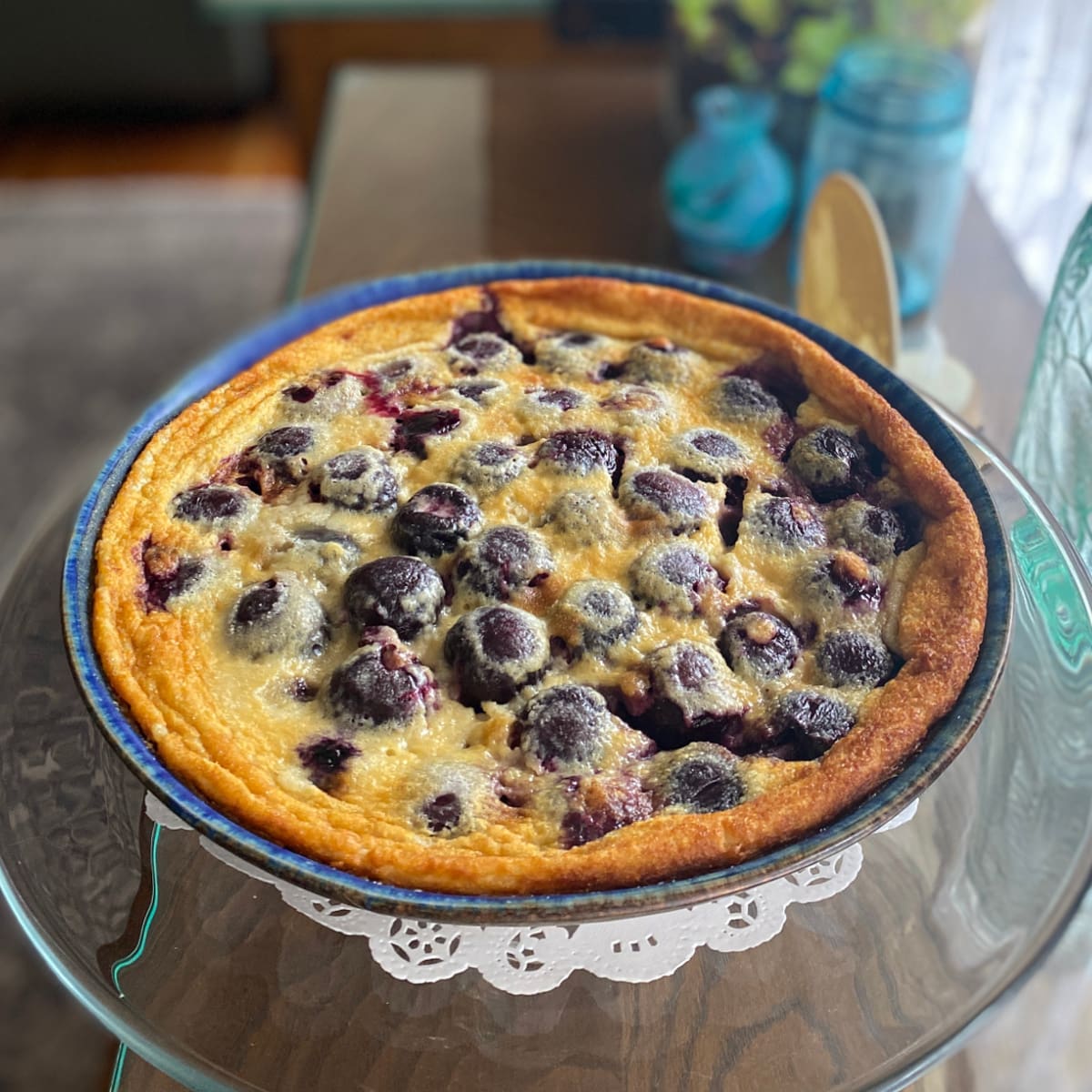
cherry clafoutis is a classic French dessert originating from the Limousin region, nestled south of Paris. Traditionally, it's made with fresh, unpitted cherries baked into a simple, pancake-like custard batter. This custard, a delightful blend of eggs, milk, sugar, and a touch of flour, bakes in a shallow dish at a relatively high temperature, causing it to puff up around the fruit, much like a soufflé. The result is a stunning golden-topped dessert, studded with tender, baked cherries that offer a wonderful tart-sweet contrast.
While cherries are the traditional fruit of choice – and for good reason, as their flavor beautifully complements the creamy custard – the versatility of clafoutis means you can experiment with various berries or stone fruits like apricots, peaches, or nectarines. However, there's an undeniable magic to the classic
cherry clafoutis, especially when made during peak cherry season. It's the kind of dish that feels like it came straight from a French farmhouse, humble in its ingredients but utterly luxurious in taste and presentation. For more on embracing seasonal baking, check out our article:
Enjoy Cherry Season: Bake a Perfect French Clafoutis.
Crafting Your Perfect Cherry Clafoutis: Key Steps & Tips
Making an authentic and delicious
cherry clafoutis is surprisingly simple, relying on basic pantry staples and fresh fruit. The "hardest part," as many attest, is often pitting the cherries – but even that can be tackled with ease!
1. Preparing Your Cherries: The Sweet Foundation
The star of your clafoutis is undoubtedly the fresh cherries. You’ll need approximately one and a half pounds of fresh, ripe cherries for this recipe. While some traditionalists insist on leaving the pits in for an almond-like flavor boost, for safety and ease of eating, we highly recommend pitting them.
Here are a few ways to get the job done:
*
The Cherry Pitter: If you have one, this is by far the quickest and cleanest method.
*
Chef's Knife Method: Place a cherry on a cutting board. Using the flat side of a chef’s knife, press firmly down on the cherry to flatten it. The cherry will split, allowing you to easily remove the pit with your fingers. Be prepared for a little juice!
*
Wine Bottle & Chopstick: For a less messy approach, set a cherry on top of an empty wine bottle. Use a chopstick or a sturdy skewer to press straight down through the cherry, forcing the pit out into the bottle. This method works best with larger cherries to avoid pushing the entire fruit into the bottle.
*
Baking Tip: While some recipes suggest leaving the pits in for an extra depth of almond-like flavor (especially from morello cherries which contain a compound called benzaldehyde, also found in almonds), for a truly "easy" and family-friendly dessert, pitting is recommended.
2. Whisking Up the Silky Custard Batter
The batter for
cherry clafoutis is wonderfully simple. It combines eggs, sugar, milk, and flour to create a smooth, pourable custard. To elevate the flavor, consider a few specialty additions:
*
Vanilla Bean: Scrape the seeds from half a vanilla bean for an unparalleled depth of vanilla aroma. If unavailable, a good quality vanilla extract (about 1-2 teaspoons) works well.
*
Kirsch: This clear brandy, traditionally made from morello cherries, adds an authentic, sophisticated cherry essence that truly sets a clafoutis apart. A tablespoon or two can be whisked into the batter. If you prefer to omit alcohol, a few drops of almond extract can mimic a similar flavor profile.
One crucial step for achieving that signature silky texture is straining the custard. This removes any small lumps of flour that might have formed during mixing, ensuring an impeccably smooth final product. Use a fine-mesh strainer for best results. If you don't have one, a double layer of cheesecloth can serve as an effective substitute. Alternatively, a vigorous whisking session can often break down most clumps, allowing you to skip straining if you're in a rush.
Pro Tip: After mixing, let your batter rest for about 10-15 minutes at room temperature. This allows the flour to fully hydrate, resulting in an even smoother, more uniform custard and often a better rise during baking.
3. Baking to Golden, Puffed Perfection
Once your cherries are pitted and arranged in your baking dish (a shallow ceramic or cast-iron dish works beautifully), simply pour the silky custard batter over them. From there, it’s a relatively quick stint in the oven – typically around 45 minutes at 350-375°F (175-190°C).
As it bakes, you’ll watch in delight as the clafoutis transforms. The edges will set and become beautifully golden, while the center puffs up dramatically, creating that alluring soufflé-like appearance around the juicy baked fruit. Doneness is indicated by a deep golden-brown top and edges, with the center still having a slight jiggle, but no raw batter. For more insights into achieving that perfect rise and texture, check out
Rustic Yet Elegant: Mastering Cherry Clafoutis with Ease.
Serving and Enjoying Your Easy Cherry Clafoutis
The beauty of
cherry clafoutis lies in its versatility in serving. While it's absolutely divine served warm, fresh from the oven, its charm isn't lost at room temperature or even chilled.
*
Classic Toppings: A dusting of powdered sugar is a simple yet elegant finish. For a more decadent treat, serve it with a scoop of vanilla ice cream, a dollop of freshly whipped cream, or a spoonful of tangy crème fraîche.
*
Simple Indulgence: Honestly, a perfectly baked
cherry clafoutis needs no adornment. Its rich flavors and comforting texture are often best enjoyed on their own, allowing the quality of the cherries and custard to shine.
*
When to Serve: While often considered a dessert, its rustic charm and fruit-forward nature make it equally suitable for a sophisticated brunch or even a special breakfast treat.
Beyond Cherries: Fruit Variations & Storage
While the classic
cherry clafoutis holds a special place, don't hesitate to experiment with other fruits when they're in season. You can easily swap in:
*
Stone Fruits: Try 1 1/2 pounds of peeled and sliced peaches, nectarines, apricots, or plums. Their sweet-tart notes are wonderful with the custard.
*
Berries: Use about 3 cups of blackberries, blueberries, or raspberries for a delightful berry clafoutis.
Should you find yourself with leftovers (a rare occurrence, we predict!),
cherry clafoutis stores beautifully. Simply refrigerate it in an airtight container for up to three days. Enjoy it cold, at room temperature, or gently reheat it. To reheat, loosely cover it with foil and place it in a 350-degree Fahrenheit (175°C) oven for 5 to 10 minutes, until just warmed through.
Conclusion
The easy
cherry clafoutis is more than just a recipe; it's an invitation to experience a piece of French culinary tradition right in your own kitchen. Its simplicity belies its elegant presentation and deeply satisfying flavor profile, making it a guaranteed crowd-pleaser and a perfect canvas for enjoying the season's freshest fruits. Whether you're a seasoned baker or a novice, this classic dessert offers a straightforward path to creating something truly special. So, gather your cherries, whisk up that batter, and prepare to fall in love with the timeless charm of homemade
cherry clafoutis.